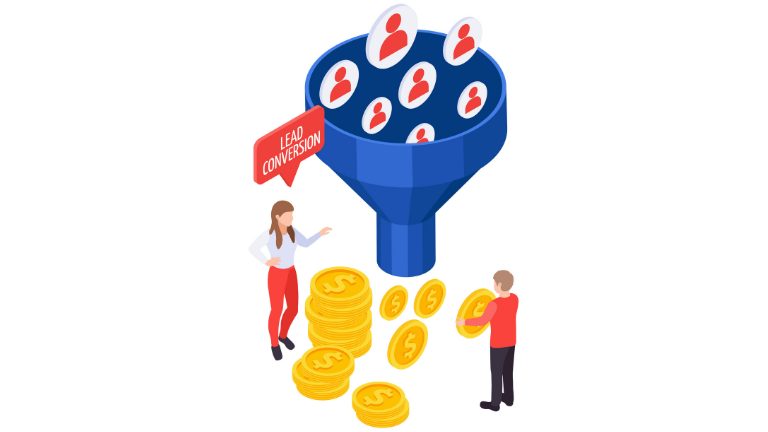
Leads-to-Cash is a process that refers to the series of activities that a SaaS company undertakes to turn a lead into a paying customer. It is a critical process for any SaaS company that uses a self-serve customer model because it helps to ensure that leads are efficiently and effectively converted into paying customers.
In a self-serve customer model, customers typically sign up for the SaaS product online, without the need for any human interaction. As a result, the Leads-to-Cash process in a self-serve model tends to be more automated and streamlined compared to other models. However, this does not mean that the process is any less important. In fact, a well-executed Leads-to-Cash process can be the key to the success of a SaaS company that uses a self-serve model.
The Leads-to-Cash Process in a Self-Serve Model
The Leads-to-Cash process in a self-serve model typically consists of the following steps:
- Lead generation: This is the process of attracting potential customers to the SaaS product. In a self-serve model, this is typically done through online marketing efforts such as search engine optimization (SEO), pay-per-click (PPC) advertising, content marketing, and social media marketing.
- Lead qualification: Once a lead has been generated, the next step is to determine whether the lead is a good fit for the product. In a self-serve model, this is typically done through an automated process that uses data such as the lead's location, company size, and industry to determine their fit for the product.
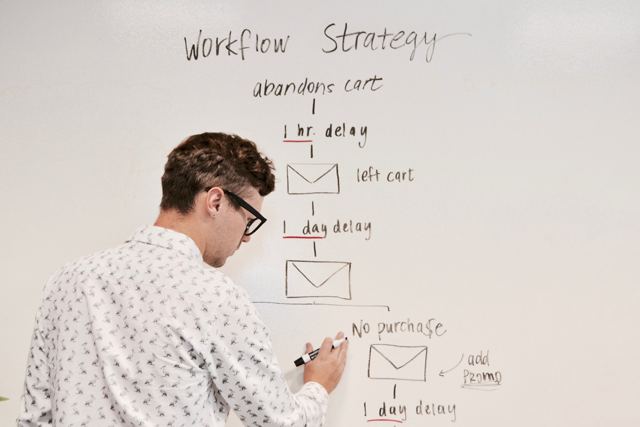
- Lead nurturing: After a lead has been qualified, the next step is to nurture the lead and build a relationship with them. In a self-serve model, this is typically done through automated email campaigns that provide the lead with relevant content and product information.
- Sign-up and onboarding: Once a lead has been nurtured, the next step is to encourage them to sign up for the product. In a self-serve model, this is typically done through an online sign-up process that is designed to be simple and easy to complete. Once a lead has signed up, the next step is to onboard them and ensure that they are set up for success.
- Customer success: After a customer has signed up for the product, the next step is to ensure that they are deriving value from it and are satisfied with their experience. In a self-serve model, this is typically done through automated email campaigns, in-app messaging, and customer support channels.
- Renewal and upsell: The final step in the Leads-to-Cash process is to encourage the customer to renew their subscription and, if possible, upgrade to a higher-tier subscription. In a self-serve model, this is typically done through automated email campaigns and in-app messaging.
Why is Leads-to-Cash Important for a SaaS Company that Uses a Self-Serve Model?
The Leads-to-Cash process is critical for a SaaS company that uses a self-serve model for several reasons:
- Efficient use of resources: By automating many of the steps in the Leads-to-Cash process, a SaaS company can reduce the amount of time and resources required to convert leads into paying customers. This allows the company to operate more efficiently and with a smaller team.
- Scalability: A well-executed Leads-to-Cash process can be scaled up to handle a large volume of leads and customers. This is particularly important for a SaaS company that is growing quickly and needs to onboard new customers quickly and efficiently.
- Improved customer experience: By having a streamlined and automated Leads-to-Cash process, a SaaS company can provide a better customer experience. Customers can sign up for the product quickly and easily, and can be onboarded and supported in a way that meets their needs and expectations.
- Increased revenue: A well-executed Leads-to-Cash process can help a SaaS company to increase its revenue by converting more leads into paying customers, and by encouraging existing customers to renew their subscriptions and upgrade to higher-tier subscriptions.
- Data-driven decision making: By automating many of the steps in the Leads-to-Cash process, a SaaS company can collect and analyze data on the performance of the process. This data can be used to make data-driven decisions about how to optimize the process and improve its effectiveness.
Conclusion
In conclusion, the Leads-to-Cash process is a critical process for any SaaS company that uses a self-serve customer model. By efficiently and effectively converting leads into paying customers, a SaaS company can improve its revenue, customer experience, and scalability. The process consists of several key steps, including lead generation, lead qualification, lead nurturing, sign-up and onboarding, customer success, and renewal and upsell. By using an automated and data-driven approach to the process, a SaaS company can optimize its effectiveness and ensure its success in a self-serve customer model.