Current-state process maps
We characterize how work really happens today, including information flows, roles, systems and decision points.

Home / Solutions / Business Process Optimization (BPO)
Solutions · Business Process Optimization
Business Process Optimization (BPO) increases organizational efficiency by improving processes. We make your processes simple, clear and consistently applied, and align them with your strategic goals so every activity adds value.
Overview
BPO is part of the discipline of Business Process Management (BPM). Optimized processes lead to optimized business goals. Your organization faces constant competition, disruptive technologies and changing norms. Optimizing how work actually flows, end to end and across departments, helps you stay ahead of that change instead of reacting to it.
We apply continuous improvement methods including Lean, Six Sigma and other analytical tools, document processes using industry-standard notation, and combine them with change management. Too often, processes are redesigned only to be partially adopted or never implemented. Integrating the human side is what turns a better design into sustained performance.
Our approach
Services
We characterize how work really happens today, including information flows, roles, systems and decision points.
We identify waste, bottlenecks, control gaps and opportunities to improve quality, safety, throughput and cost.
Redesigned processes that are simple, clear and aligned with your strategic goals, with roles and controls defined.
Once unnecessary steps are removed, we automate the revised process in its new form, not the old one.
Stakeholder engagement, communication and training that secure buy-in, so new processes are adopted and sustained.
Measures and routines to look at performance at micro and macro levels and fine-tune until you get the desired results.
Real examples
Before: Multiple purchase orders clogged the purchasing queue because approvals happened by email.
After: A dedicated workflow system now lets employees choose the item and send it for approval automatically.
Before: A paper-based process meant finance misread numbers and reimbursed the wrong amounts.
After: Employees now enter amounts in a digital form, which removes the misreading errors.
Before: HR manually emailed IT after each signed agreement to provision laptops and access.
After: An automatic trigger now notifies IT as soon as the employee signs the agreement.
Outcomes
Questions
Process improvement often targets a specific area or problem. BPO looks at end-to-end processes across departments, such as order-to-cash or procure-to-pay, and aligns them with strategy, systems and controls.
Not necessarily. We optimize the process first. Sometimes existing systems are enough once the process is fixed; where automation helps, we automate the improved process, not the old one.
We involve the people who do the work, define clear roles and measures, and build change management and monitoring into the project so teams don't revert to old habits.
Usually a process that is visibly painful, frequent and important to customers or cash flow. We help you choose using value, effort and risk.
Free learning
From our insights
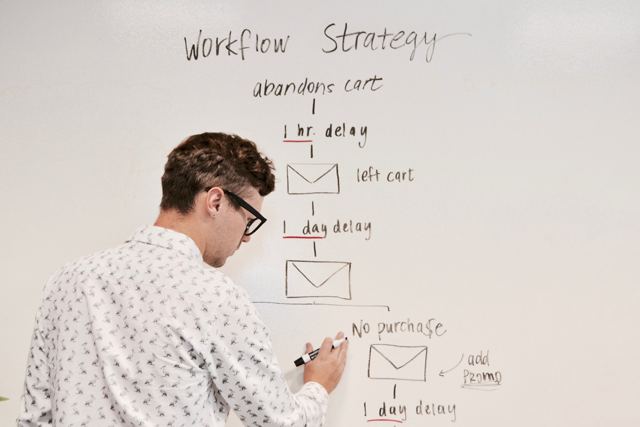
Discover 5 proven steps to integrate AI into your operations workflow to improve efficiency, reduce costs, and make smarter data-driven decisions.
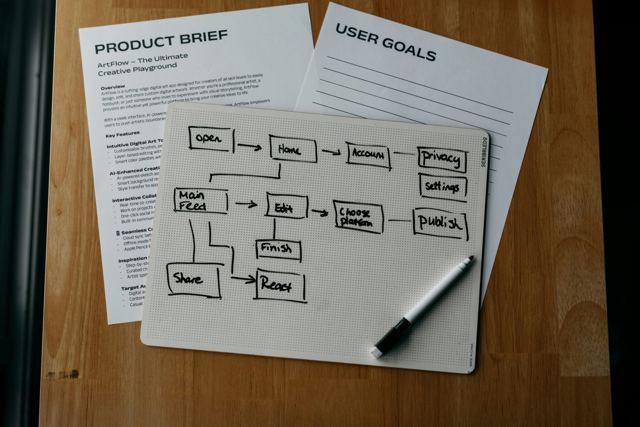
Learn how to benchmark processes, identify bottlenecks, and improve efficiency using data-driven workflow analysis and performance metrics.
Discover strategies for adapting business operations to enhance operational agility and stay competitive amidst market changes. Boost your business…
“Chmltech helped us make impressive gains in productivity, increase our production capacity, reduce overtime and improve employee engagement.”
Book a strategy call. We will talk through your goals, pain points and where AI, systems or process work can make the biggest difference.
Or email info@chmltech.com